If you've watched Couples Therapy on Showtime, you've probably found yourself completely absorbed in the intimate, sometimes uncomfortable, and often surprisingly relatable conversations happening in Dr. Orna Guralnik's therapy room.
Maybe you've even wondered: Is this what couples therapy is actually like? Is that really what we would sound like in therapy? Would I really be that oblivious to my patterns?
As a couples therapist, I love that the show has brought so much attention to what actually happens behind closed doors in therapy. And while the show offers a remarkably intimate look into the therapeutic process, there are some important differences between watching couples therapy on television and experiencing it yourself.
Fun fact: My wife and I were interviewed for the show- twice! But we didn’t make the cut. Wouldn’t that have been very meta? A couple's therapist being on the show Couples Therapy? I’m glad we didn’t make the cut, but at least I helped my partner pursue her reality TV dream.
Let's talk about what the show gets right, what it leaves out, and what you can really expect from couples therapy.
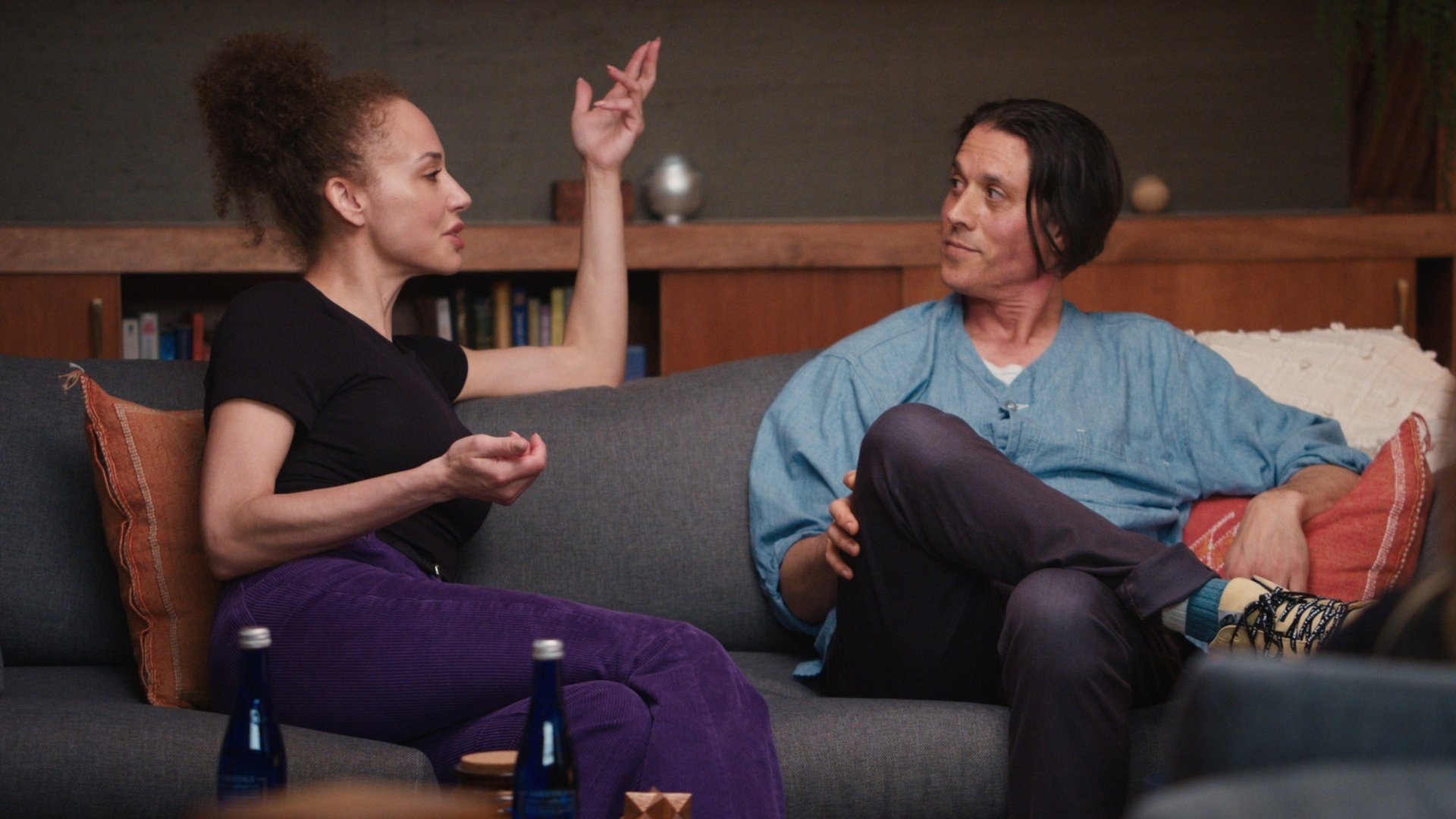
1. Yes, Couples Therapy Can Get That Deep
One of the things the show captures beautifully is that couples therapy isn't just about learning how to argue less or communicate better.
It's about understanding why certain arguments keep happening in the first place.
You might come into therapy because you're fighting about household chores, money, sex, or how much time you spend together. But as you begin exploring those conflicts, you may discover that what's really happening is something much deeper.
Perhaps one partner feels constantly criticized, while the other feels perpetually alone. Maybe one partner withdraws during conflict because they grew up in a household where expressing emotions wasn't safe, while the other pursues connection more intensely because distance feels like abandonment.
Suddenly, the practical arguments become about something much more vulnerable and real.
This is something the show gets right: Couples therapy can help partners recognize the deeper emotional patterns that keep them stuck.
2. No, Your Therapist Probably Won't Be Silent as Often as Dr. Orna
One of the most noticeable things about Dr. Orna's approach is how much space she gives couples to speak, struggle, and discover things for themselves.
She often listens quietly, allowing uncomfortable silences to unfold rather than immediately stepping in.
There's a reason for that.
Dr. Orna practices from a psychoanalytic perspective, which emphasizes unconscious patterns, early relationships, and the emotional dynamics unfolding between people.
But not every couples therapist works this way.
Some therapists are much more active and structured. They might interrupt an escalating argument, guide partners through communication exercises, teach emotional regulation skills, or help each person express vulnerable feelings beneath their frustration.
Honestly, the psychoanalytic perspective probably fits well with filming because it allows for the narrative to unfold, gives more time for story telling instead of intervention from your therapist.
Approaches such as the Gottman Method, Emotionally Focused Therapy (EFT), and Imago Relationship Therapy may involve more direct interventions and structured exercises.
The reality: Your experience will depend partly on your therapist's approach. Some sessions are exploratory and reflective, while others are active, structured, and skills-based.
3. Yes, Your Childhood Will Probably Come Up
If you've watched the show, you've probably noticed how frequently Dr. Orna asks about childhood, parents, and early experiences.
You might wonder: We came here because we're fighting about our relationship. Why are we talking about my mother?
Because our earliest relationships often shape what we expect from love.
We learn whether it's safe to express our needs, whether conflict leads to repair or rejection, and whether we can depend on others to show up emotionally.
For example, someone who grew up with emotionally unavailable caregivers may be particularly sensitive to a partner's withdrawal. Someone who grew up around intense conflict may shut down when conversations become emotionally charged.
Couples therapy can help partners understand these responses with greater compassion.
Instead of seeing your partner as difficult, needy, or emotionally unavailable, you may begin to understand the experiences that shaped their reactions.
And that understanding can create room for something different.
4. It Doesn’t Capture What Happens Before the First Session.
One thing Couples Therapy doesn't really show is what happens the days before the couple gets into the room.
Often, one partner is much more invested in starting therapy than the other. One may have been asking for months, even years, while the other is reluctant, skeptical, or convinced they don't need it. Often, it finally happens because there was a major blow out or rupture.
Sometimes there's an ultimatum: "Either we go to therapy, or I'm leaving." Therapy isn't always a mutual decision. For some couples, it's a last attempt to save the relationship.
The show captures longstanding relationship dynamics, where both partners have chosen to be here willingly. We don’t initially learn about the huge rupture that brings them into the room. We learn about the old ruptures later and this gives the show a climatic effect.
It does not capture the sudden sense of urgency that happens after a big rupture. They don't wait 1-3 months for the show to start. They want help now, because their relationship feels like it's hanging by a thread.
Then there are the practical challenges that rarely make it onto television. Finding a therapist both partners agree on, coordinating schedules, arranging childcare, and how they’re going to afford it. Sometimes, even choosing a therapist turns into another argument.
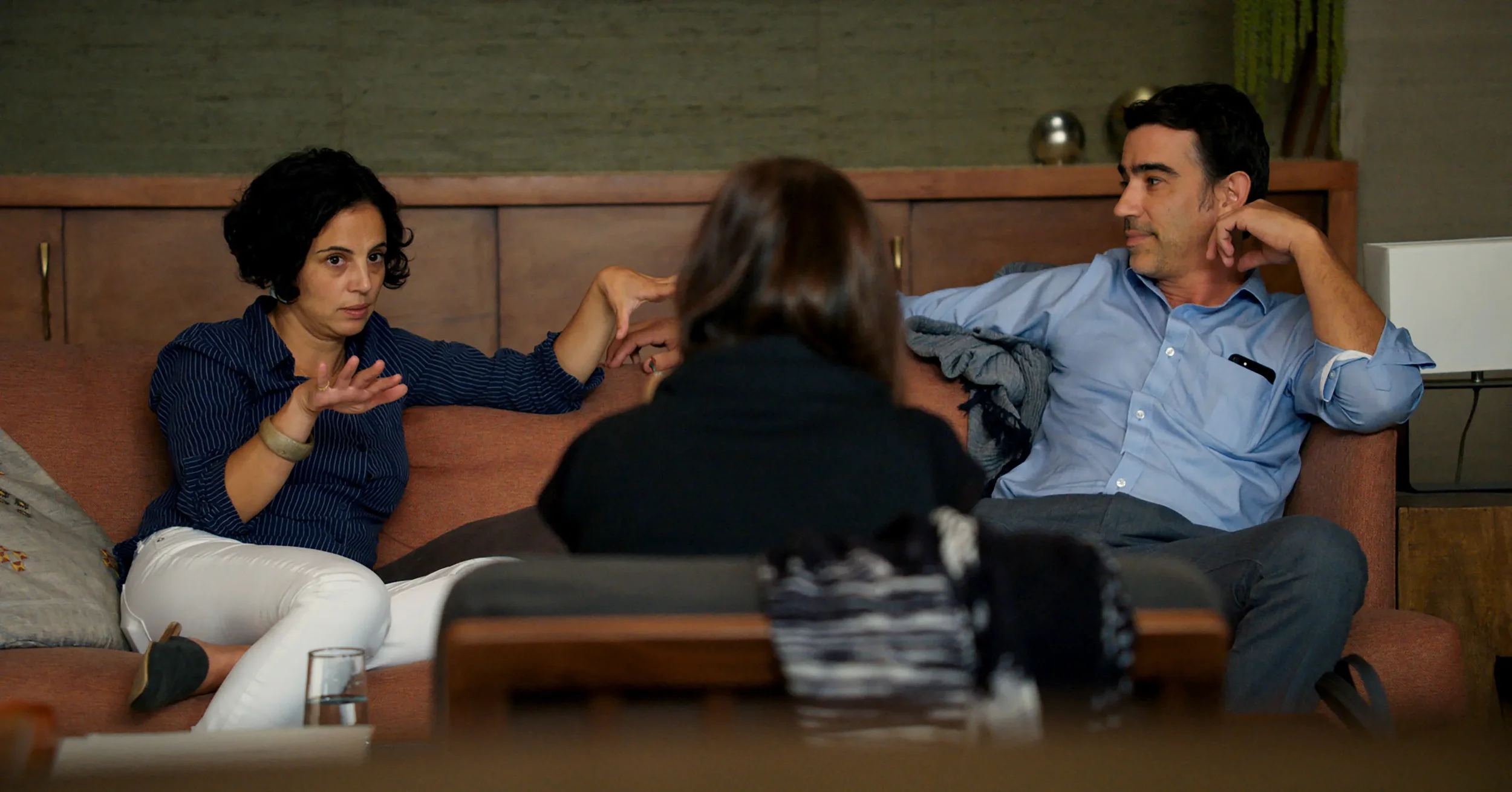
5. Yes, You Might Discover Things About Yourself That Surprise You
One of the most fascinating aspects of the show is watching people recognize something about themselves that they hadn't previously understood.
Sometimes a person realizes that their anger is covering sadness. Or that their desire for control is rooted in fear. Or that they've spent years protecting themselves from rejection by avoiding vulnerability.
These insights aren't unique to television.
In real couples therapy, partners often begin to see their own reactions differently.
You might discover that what you've been calling independence is sometimes a way of protecting yourself from disappointment.
Or that your frustration with your partner is connected to a deeper longing to feel important, appreciated, or chosen.
These realizations can be uncomfortable, but they can also create opportunities for greater intimacy.
6. Real Couples Therapy Usually Takes More Than a Few Powerful Conversations
On television, we get to watch a relationship unfold over the course of a season. The show condenses 18 hours of therapy into 40 minutes of view time for each couple.
But real change usually takes time, often months.
Understanding a relationship pattern is one thing. Learning how to respond differently when you're exhausted, stressed, hurt, or triggered is another.
Couples therapy often involves practicing new ways of communicating, repairing conflict, rebuilding trust, and creating opportunities for connection outside the therapy room.
Progress isn't always linear.
You might have an incredible session one week and find yourselves having the same argument a few days later.
That doesn't necessarily mean therapy isn't working.
It may mean you're still learning how to turn new awareness into new behavior.
So, Is Couples Therapy Really Like the Show?
Yes—and no.
The emotional honesty, vulnerability, uncomfortable conversations, and unexpected insights you see on Couples Therapy are very real parts of the therapeutic process.
But your experience probably won't look exactly like Dr. Orna's sessions.
Your therapist may be more interactive. You may spend more time learning practical skills. There may be an urgent, life shattering rupture that brings the two of you in.
What I appreciate most about the show is that it reminds us how complicated relationships can be and how much can change when two people become curious about themselves and each other.
You don't have to be on the verge of breaking up to benefit from couples therapy.
Sometimes, simply wanting to understand each other better is reason enough to begin.
Curious About Couples Therapy in Montclair, NJ?
I offer couples therapy in Montclair, New Jersey, and virtually throughout New Jersey.
My approach is integrative, drawing from attachment-based, emotionally focused, and other relational approaches to help couples understand the patterns that keep them disconnected and develop new ways of relating.