
Holistic Therapy in Montclair, New Jersey
Relationships, Trauma, and Psychedelic Therapy
More than traditional talk therapy.
We go beyond the surface-level and journey towards your inner-self.
We move at the speed of trust.
We honor your nervous system.
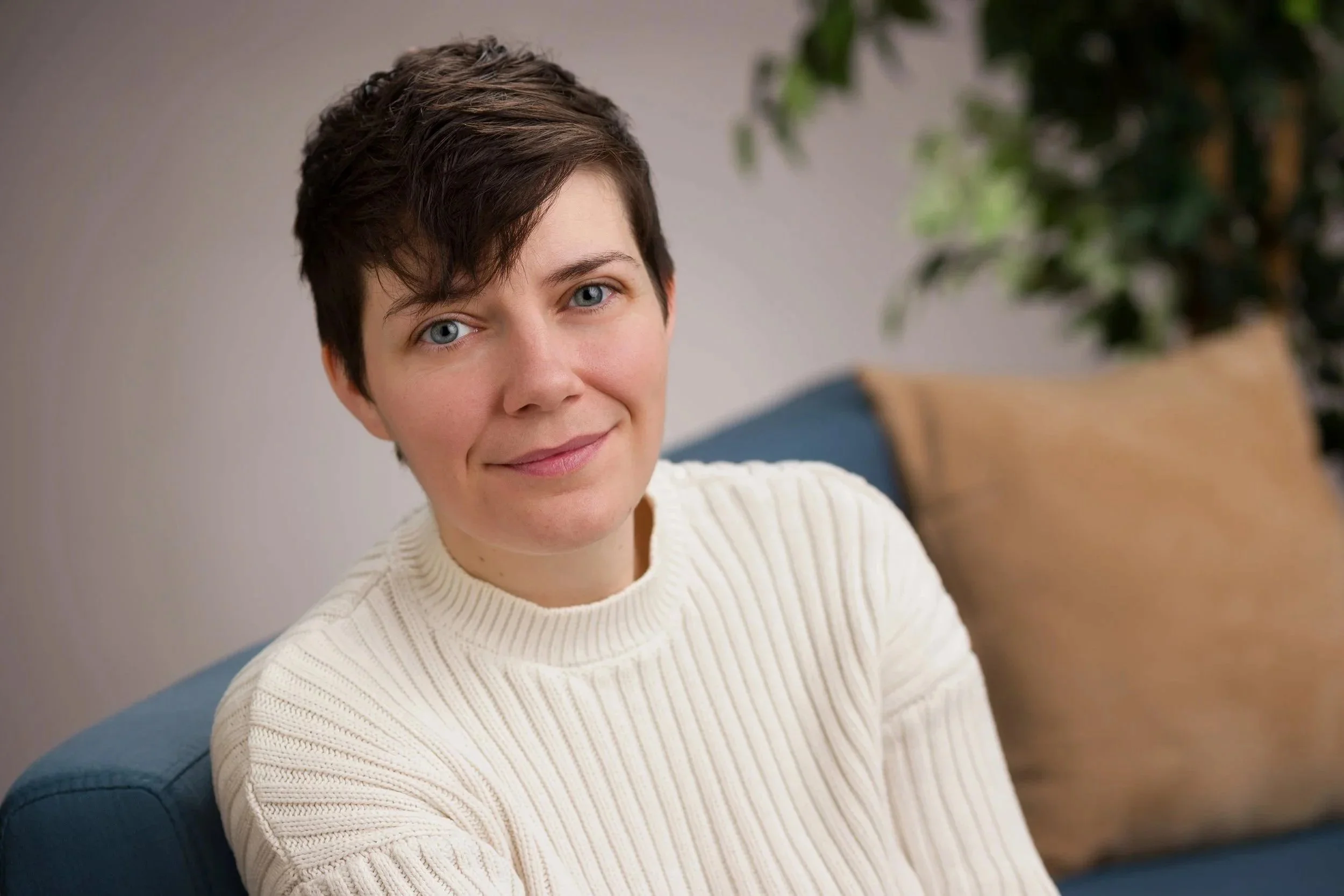
I’m Jeanie
My style is grounded, curious, and trauma-informed. We slow down, turn inward, and listen to the parts of you that have been asking for attention. I walk alongside you - helping you make sense of your inner world, build emotional and nervous-system regulation, and develop trust in yourself again. Together, we work toward relief, clarity, and a way of living that feels more spacious, authentic, and sustainable.
You may want to:
Break free from old patterns, generational trauma, and cycles that no longer serve you.
Reconnect with yourself, others, and something larger than yourself.
Move beyond traditional talk therapy and enter into direct dialogue with your inner self.
Express your authentic self and not let fear hold you back.
Trust in your innate healing intelligence to process trauma and open yourself to joy.
Be held and witnessed by someone who walks beside you on the journey.
Make decisions that align with your values, rather than driven by fear or conditioning.
Commit to spiritual practice that anchors you to more presence and love.

Holistic Therapist in Essex County NJ & Virtual Across NJ
Individual Therapy Specialties



Depression Therapy

Spiritual & Mindfulness therapy
An Attachment-based Therapist in New Jersey
Relationship Therapy Specialties


My Approach
-
Transpersonal psychology invites us beyond symptom reduction, and into an exploration of soul, meaning, and wholeness. We explore not only what hurts, but what matters to you. This work honors your longing for authenticity, connection, and depth. We don’t pathologize your search—we follow it.
Together, we’ll explore your relationships, psychedelic experiences, emotional patterns, and life stories as invitations into deeper layers of self-understanding. This is an integrative, soul-rooted process that welcomes both your humanity and your mystery.
-
Emotionally Focused Therapy (EFT) is one of the most well-researched and effective approaches to couples therapy, helping partners understand the deeper emotions and attachment needs that drive conflict. Rather than simply improving communication, EFT helps couples break painful relationship cycles, strengthen emotional safety, and build a more secure, connected bond that lasts beyond the therapy room.
-
You are not broken—you are a system of wise, protective, and wounded parts that have been trying to help you survive. Using IFS informed practices, we gently “unblend” from the parts that hold pain, shame, or fear, so we can hear their stories without being overwhelmed by them.
Beneath these parts lies something steady and luminous: your Self—curious, compassionate, and capable of healing. IFS helps us build a relationship with that Self, and with each part of you, in a way that restores trust and inner alignment.
-
Our work is informed by neuroscience and trauma research, which shows how anxiety, depression, and relationship patterns are shaped by the nervous system. Together, we focus on building safety, regulation, and new emotional pathways so your mind and body can move out of survival mode and into greater ease and clarity.
When we experience trauma—whether acute, chronic, or developmental—our nervous system adapts in ways meant to protect us. These adaptations can leave lasting imprints: hypervigilance, emotional numbness, dissociation, depressed mood, or looping thoughts. Over time, these protective responses can become ingrained patterns that shape how we relate to others, the world, and even ourselves.
With the right support, safety, and presence, the brain can rewire itself through a process known as neuroplasticity. Modalities like Internal Family Systems (IFS), somatic tracking, and psychedelic-assisted therapy tap into this innate ability to reorganize, re-pattern, and restore connection to the Self.
-
I am licensed within the state of Colorado to facilitate legal psilocybin sessions under supervision. In the state of Colorado, psilocybin facilitation is legal under DORA regulations. For clients who are interested, I spend one month out of every year facilitating psilocybin in Colorado.
Psychedelics can open profound doorways to insight, emotional release, and spiritual clarity. But these experiences can often stir as much as they soothe. This is why the preparation and integration process with a trained , trusted therapist or guide is so important.
In ketamine sessions, we work gently and intentionally with non-ordinary states, inviting insights to take root through the body, emotions, and inner parts. This is not about chasing peak experiences, but about bringing the extraordinary into everyday life through integration.
-
Psychodynamic and narrative work help us understand the deeper patterns and stories shaping your current experiences. Psychodynamic therapy explores how past relationships and unconscious beliefs influence your emotions and behaviors today. Narrative therapy helps you examine and rewrite the stories you’ve carried—especially the ones that limit you. Together, these approaches create insight, healing, and a more empowered way of seeing yourself.
-
Humanistic and existential perspectives focus on your inherent worth, your inner wisdom, and your ability to make meaningful choices in your life. Humanistic therapy supports you in being more authentic and self-connected. Existential therapy helps you explore purpose, meaning, and the deeper questions of being human. Together, they affirm your freedom, agency, and unfolding path.